1
Stable store depending on a few pages that must remain reachable.

Merchant plan
Built for an e-commerce team that wants to run its own monitoring directly €19 /month · 25 monitors · pages 5 min · checkout — · AI included.
Merchant plan
Coverage, cadence and proof are framed when product, cart, checkout or payment steps break Niveau Lite : 25 monitors · pages 5 min · checkout — · AI included.
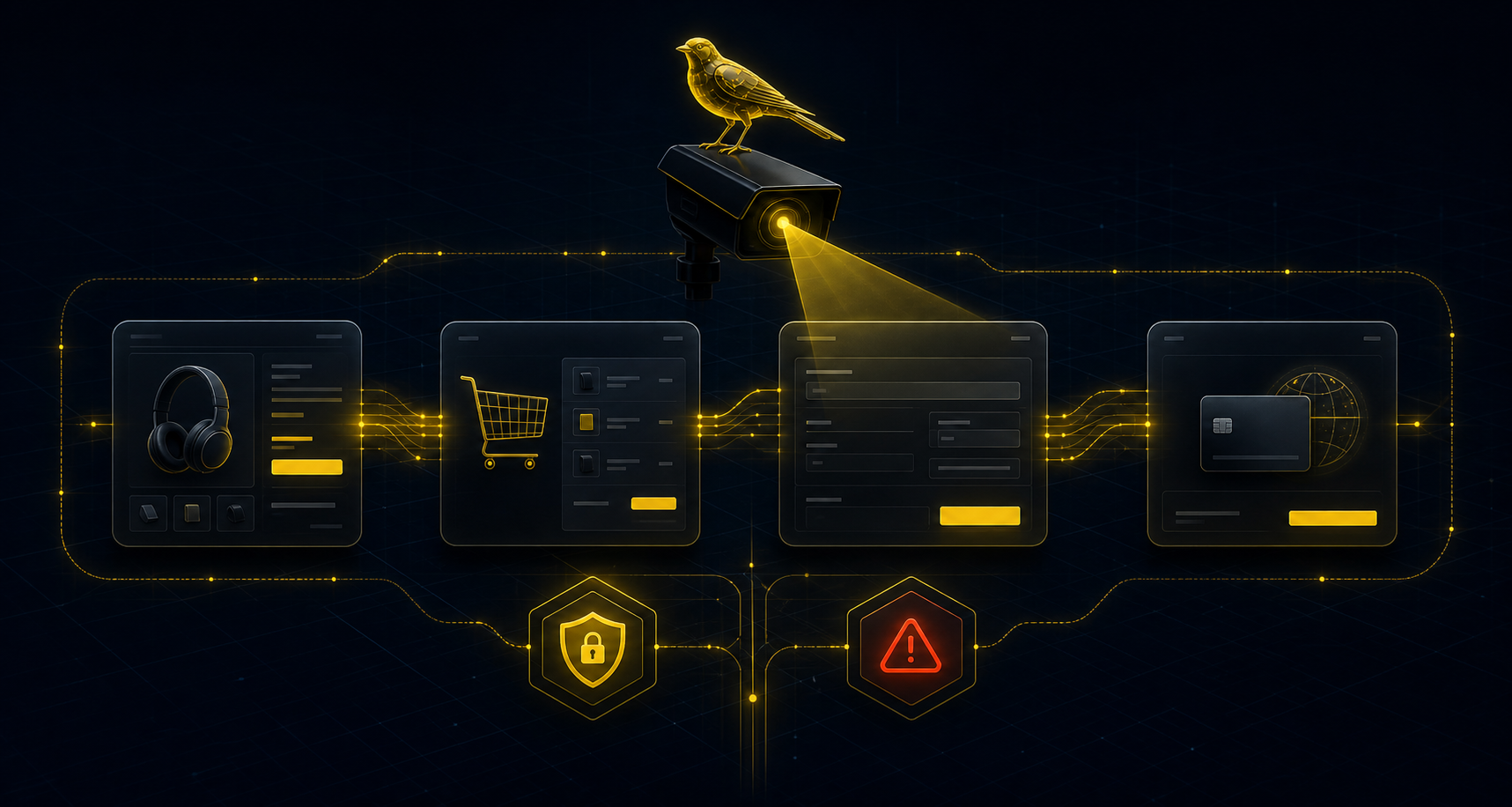
Stable store depending on a few pages that must remain reachable.
Merchant avoiding simple outages without building an on-call operation.
WooCommerce site with a classic product, cart, checkout, payment or confirmation journey.
Need short history to connect an incident to a recent update.
Lite covers essential store checkpoints: availability, revenue pages and first WooCommerce funnel steps.
The cadence is regular and fits stores that need fewer visible holes without premium monitoring. Synthetic checkout starts on Business.
One week of context helps see whether an issue is punctual, update-related or recurring over a short period.
The signal stays deliberately readable: what breaks, when, and which page to check first.
Lite is not for enriched alerts, complete PDF reports or critical checkout cadence; Business takes over there.
This exhaustive description repeats every item that defines the Lite merchant: price, pricing-card scope, target use cases, functional items, proof items, exclusions and support boundary.
Lite is presented at €19 /month; this Lite billing basis is visible before activation framing, so the merchant plan can be evaluated without hidden price assumptions.
Discover silent losses earlier with AI intervention. The Lite merchant plan positioning explains the risk level this tier is built for and how it differs from the neighbouring offers.
25 monitors means the number of monitored checkpoints available for the merchant store attached to the account. In Lite merchant, that coverage is allocated to the revenue signals this tier can realistically own: product, cart, checkout, payment, confirmation or selected technical endpoints.
pages 5 min is the page-monitoring rhythm for the merchant store in Lite merchant. In Lite merchant, it watches storefront availability and funnel context before the team escalates a checkout-specific incident.
checkout — is the expected watch cadence for the checkout path in Lite merchant. Lite merchant uses that rhythm to notice revenue-step regressions without running a real payment or collecting card details.
AI included means Lite can run the incident report, guarded AI intervention, checkout recheck and intervention report for the merchant store, without including card data or extending beyond the plan limits.
Stable store depending on a few pages that must remain reachable. This Lite merchant plan use case is included so buyers can decide whether the offer matches the operational situation, not only the price. For the Lite merchant plan, it clarifies the store, portfolio, campaign or team context that should be validated before activation.
Merchant avoiding simple outages without building an on-call operation. This Lite merchant plan use case is included so buyers can decide whether the offer matches the operational situation, not only the price. For the Lite merchant plan, it clarifies the store, portfolio, campaign or team context that should be validated before activation.
WooCommerce site with a classic product, cart, checkout, payment or confirmation journey. This Lite merchant plan use case is included so buyers can decide whether the offer matches the operational situation, not only the price. For the Lite merchant plan, it clarifies the store, portfolio, campaign or team context that should be validated before activation.
Need short history to connect an incident to a recent update. This Lite merchant plan use case is included so buyers can decide whether the offer matches the operational situation, not only the price. For the Lite merchant plan, it clarifies the store, portfolio, campaign or team context that should be validated before activation.
Lite covers essential store checkpoints: availability, revenue pages and first WooCommerce funnel steps. This functional item is part of the Lite merchant plan commitment and is intentionally repeated in the complete inventory. In the Lite merchant plan, it states the practical change in coverage, cadence, proof, client handoff, operational priority or plan boundary.
The cadence is regular and fits stores that need fewer visible holes without premium monitoring. Synthetic checkout starts on Business. This functional item is part of the Lite merchant plan commitment and is intentionally repeated in the complete inventory. In the Lite merchant plan, it states the practical change in coverage, cadence, proof, client handoff, operational priority or plan boundary.
One week of context helps see whether an issue is punctual, update-related or recurring over a short period. This functional item is part of the Lite merchant plan commitment and is intentionally repeated in the complete inventory. In the Lite merchant plan, it states the practical change in coverage, cadence, proof, client handoff, operational priority or plan boundary.
The signal stays deliberately readable: what breaks, when, and which page to check first. This functional item is part of the Lite merchant plan commitment and is intentionally repeated in the complete inventory. In the Lite merchant plan, it states the practical change in coverage, cadence, proof, client handoff, operational priority or plan boundary.
Lite is not for enriched alerts, complete PDF reports or critical checkout cadence; Business takes over there. This functional item is part of the Lite merchant plan commitment and is intentionally repeated in the complete inventory. In the Lite merchant plan, it states the practical change in coverage, cadence, proof, client handoff, operational priority or plan boundary.
25 monitors means the number of monitored checkpoints available for the merchant store attached to the account. In Lite merchant, that coverage is allocated to the revenue signals this tier can realistically own: product, cart, checkout, payment, confirmation or selected technical endpoints.
5 min pages is the page-monitoring rhythm for the merchant store in Lite merchant. In Lite merchant, it watches storefront availability and funnel context before the team escalates a checkout-specific incident.
checkout not included is the expected watch cadence for the checkout path in Lite merchant. Lite merchant uses that rhythm to notice revenue-step regressions without running a real payment or collecting card details.
7-day history is the Lite merchant retention window used to compare incidents, recent changes and recurring patterns. Lite merchant keeps enough evidence to decide whether a break is isolated, repeated or linked to a maintenance window.
Simple signal is part of the Lite offer boundary. The Lite page spells it out so the team knows what this tier does, what it proves and when a higher tier may be needed.
Price: €19/month. This comparison item is repeated on the Lite merchant plan detail page so the public comparison table and the offer description stay aligned; it explains the visible catalogue promise before activation, without adding hidden entitlement beyond the listed plan scope.
Key pages / monitors: 25. This comparison item is repeated on the Lite merchant plan detail page so the public comparison table and the offer description stay aligned; it explains the visible catalogue promise before activation, without adding hidden entitlement beyond the listed plan scope.
Page frequency: 5 min. This comparison item is repeated on the Lite merchant plan detail page so the public comparison table and the offer description stay aligned; it explains the visible catalogue promise before activation, without adding hidden entitlement beyond the listed plan scope.
Alerts: Email. This comparison item is repeated on the Lite merchant plan detail page so the public comparison table and the offer description stay aligned; it explains the visible catalogue promise before activation, without adding hidden entitlement beyond the listed plan scope.
History: 7 d. This comparison item is repeated on the Lite merchant plan detail page so the public comparison table and the offer description stay aligned; it explains the visible catalogue promise before activation, without adding hidden entitlement beyond the listed plan scope.
Evidence pack: Basic. This comparison item is repeated on the Lite merchant plan detail page so the public comparison table and the offer description stay aligned; it explains the visible catalogue promise before activation, without adding hidden entitlement beyond the listed plan scope.
AI Copilot credits/month: 100. This comparison item is repeated on the Lite merchant plan detail page so the public comparison table and the offer description stay aligned; it explains the visible catalogue promise before activation, without adding hidden entitlement beyond the listed plan scope.
AI incident intervention: Included for Lite. This merchant plan uses the AI workflow inside the Lite scope only: incident report, guarded intervention, checkout recheck and intervention report, without extending the listed cadence, monitor count or support boundary.
Merchants whose checkout needs fine monitoring or alerts beyond email. This exclusion is part of the Lite merchant plan description because it prevents Lite from being read as a universal promise. It tells buyers when the Lite merchant plan is too small, too advanced or not aligned with the expected operating model.
Lite detects, prioritizes and documents incidents at the cadence and scope described above. For the Lite merchant plan, remediation stays with the agency, merchant, hosting provider, payment provider or development team, so this tier sells proof and coordination rather than an automatic repair guarantee.
Every functional item listed for the Lite merchant tier is repeated here with its operational meaning, so the page does not hide any condition behind a short label.
Lite covers essential store checkpoints: availability, revenue pages and first WooCommerce funnel steps. In the Lite merchant plan, this item is not a generic promise: it is part of the operational scope presented to the team before activation, with its own role in coverage, cadence, proof, handoff or plan limits.
The cadence is regular and fits stores that need fewer visible holes without premium monitoring. Synthetic checkout starts on Business. In the Lite merchant plan, this item is not a generic promise: it is part of the operational scope presented to the team before activation, with its own role in coverage, cadence, proof, handoff or plan limits.
One week of context helps see whether an issue is punctual, update-related or recurring over a short period. In the Lite merchant plan, this item is not a generic promise: it is part of the operational scope presented to the team before activation, with its own role in coverage, cadence, proof, handoff or plan limits.
The signal stays deliberately readable: what breaks, when, and which page to check first. In the Lite merchant plan, this item is not a generic promise: it is part of the operational scope presented to the team before activation, with its own role in coverage, cadence, proof, handoff or plan limits.
Lite is not for enriched alerts, complete PDF reports or critical checkout cadence; Business takes over there. In the Lite merchant plan, this item is not a generic promise: it is part of the operational scope presented to the team before activation, with its own role in coverage, cadence, proof, handoff or plan limits.
Every visible element from the Lite merchant pricing card is repeated and explained here: price, positioning and scope limits.
Lite is part of the public Lite card and is repeated here so the merchant plan can be evaluated without ambiguity.
€19 /month is the public Lite price shown before activation. The Lite merchant tier is attached to one monitored store, which keeps the checkout surveillance budget readable for the internal team.
Discover silent losses earlier with AI intervention. explains why Lite exists in the merchant plan catalogue and when this tier should be preferred over the others.
25 monitors is the Lite merchant plan commercial boundary visible on the pricing card. It tells the team what Lite merchant plan includes before any custom framing or upgrade discussion.
pages 5 min is the Lite merchant plan commercial boundary visible on the pricing card. It tells the team what Lite merchant plan includes before any custom framing or upgrade discussion.
checkout — is the Lite merchant plan commercial boundary visible on the pricing card. It tells the team what Lite merchant plan includes before any custom framing or upgrade discussion.
AI included is the Lite merchant plan commercial boundary visible on the pricing card. It tells the team what Lite merchant plan includes before any custom framing or upgrade discussion.
Lite is detailed item by item: each visible promise from the offer card is repeated with its operational meaning for this merchant plan.
25 monitors means the number of monitored checkpoints available for the merchant store attached to the account. In Lite merchant, that coverage is allocated to the revenue signals this tier can realistically own: product, cart, checkout, payment, confirmation or selected technical endpoints.
5 min pages is the page-monitoring rhythm for the merchant store in Lite merchant. In Lite merchant, it watches storefront availability and funnel context before the team escalates a checkout-specific incident.
checkout not included is the expected watch cadence for the checkout path in Lite merchant. Lite merchant uses that rhythm to notice revenue-step regressions without running a real payment or collecting card details.
7-day history is the Lite merchant retention window used to compare incidents, recent changes and recurring patterns. Lite merchant keeps enough evidence to decide whether a break is isolated, repeated or linked to a maintenance window.
Simple signal is part of the Lite offer boundary. The Lite page spells it out so the team knows what this tier does, what it proves and when a higher tier may be needed.
Merchants whose checkout needs fine monitoring or alerts beyond email.
Lite merchant detects and documents incidents at its planned cadence. Lite merchant leaves the actual fix to provider, hosting, payment or code owners.
Lite gives the merchant team a clear priority, affected step and evidence usable by the person who fixes the store.
25 monitors · pages 5 min · checkout — · AI included. Lite sets how close the watch sits to the checkout and payment path.
Lite does not collect card data and does not automatically modify the WooCommerce store.
Example: the store is online but the cart-to-checkout path no longer converts. Lite gives the merchant team the affected step, priority and proof before the issue is discovered in revenue numbers.
Lite : We verify the monitored site, checkout risk level and useful channels before activation.